Reimagining, Reusing, Reinventing: The Final Conference of CREA-UP in Portugal


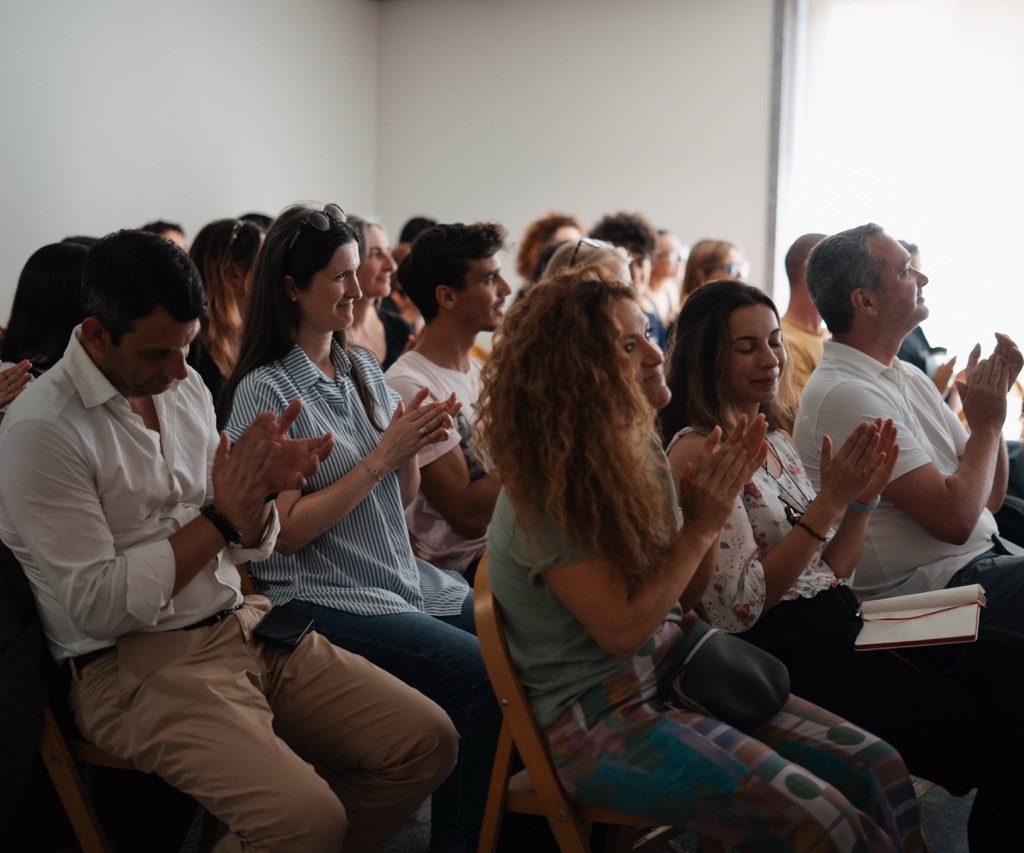
On 20 June, the grand halls of the Museu Nacional Soares dos Reis in Porto became the stage for the final conference of the CREA-UP project — a gathering that was much more than a closing event. It was a celebration of how art, design and community can intersect to build more sustainable, conscious and imaginative futures.

Organised by CRU Creative Hub, with the support of local partners Associação Quarteirão Criativo and Bombarda, the conference brought together artists, designers, researchers, policy makers, entrepreneurs and members of the broader creative community. Together, they reflected on the journey of CREA-UP — from its early international collaborations to the powerful local impacts achieved in Portugal.

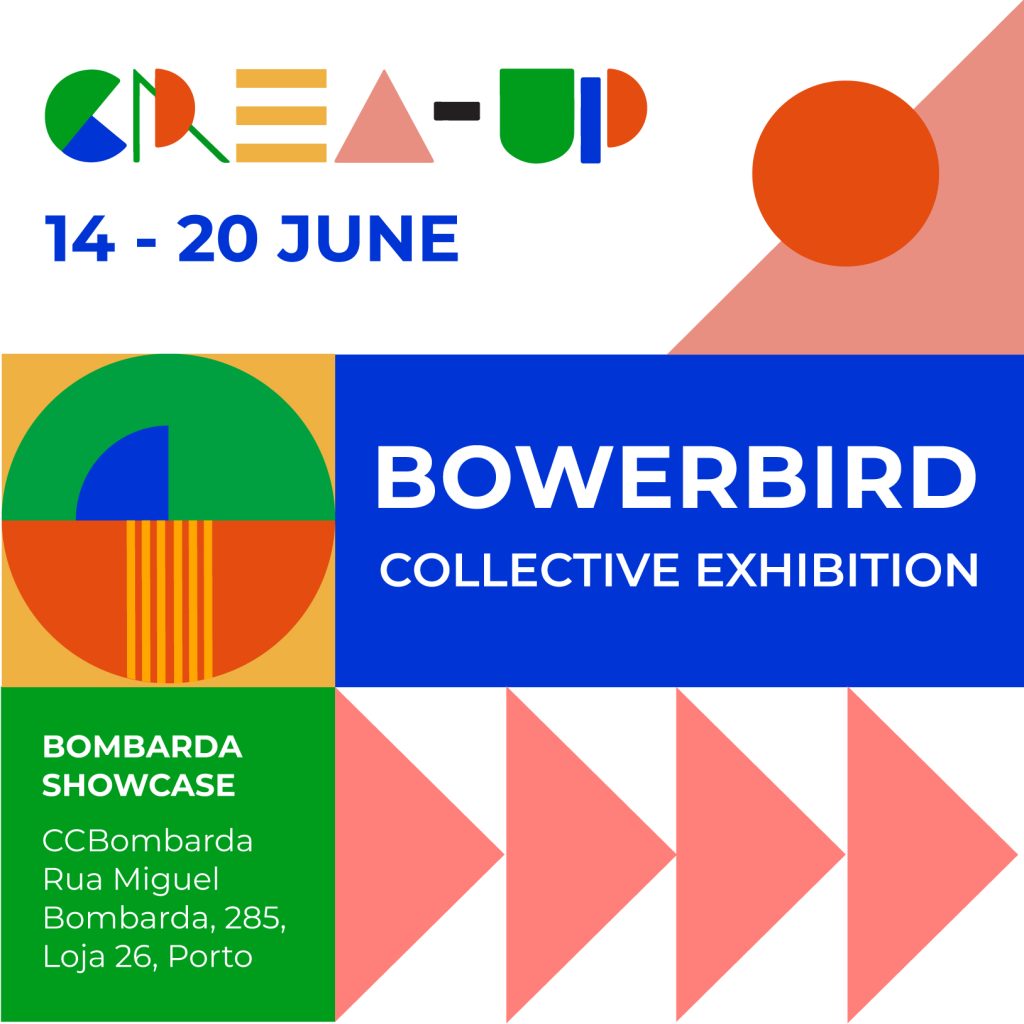
The afternoon began with an optional visit to the exhibition “BOWERBIRD” at Galeria Bombarda ShowCase in CCBombarda. This exhibition showcased the remarkable work developed by CREA-UP’s participants over months of co-creation, highlighting the incredible potential of upcycling and creative reuse.

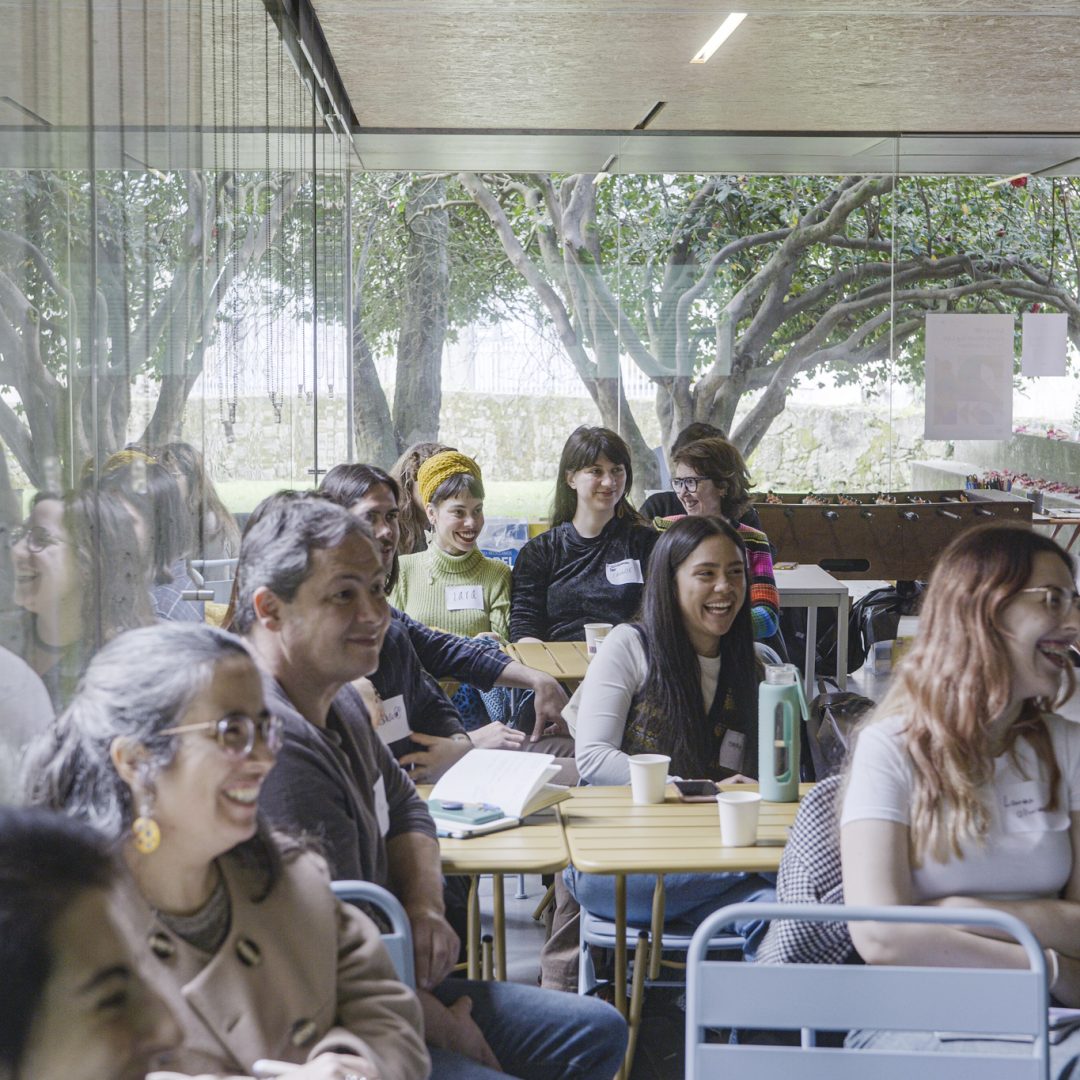
Back at the museum, a warm welcome coffee opened the doors for informal networking, sharing and reconnecting. It set the tone for an afternoon that combined professional insight with genuine community spirit.

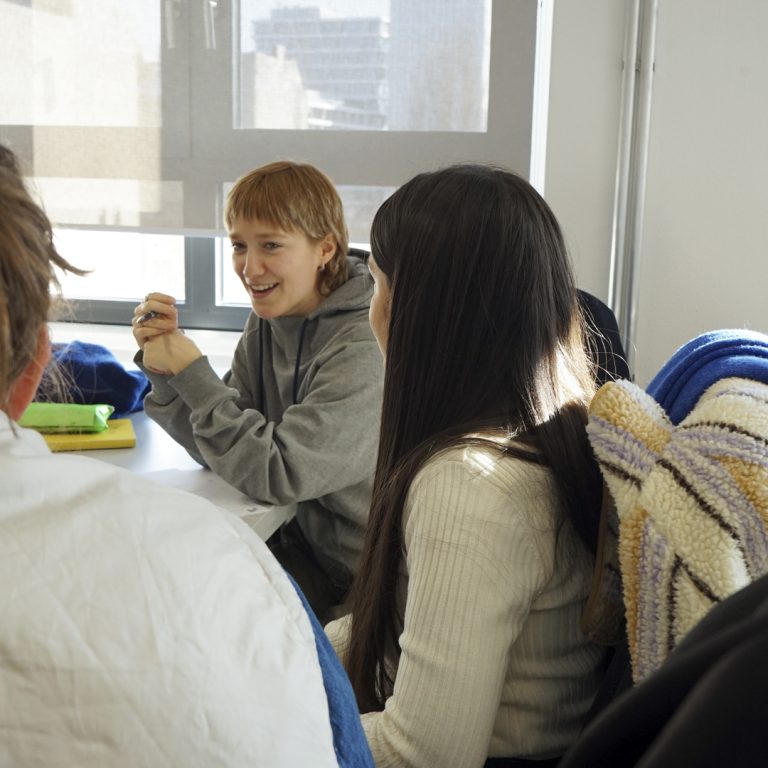
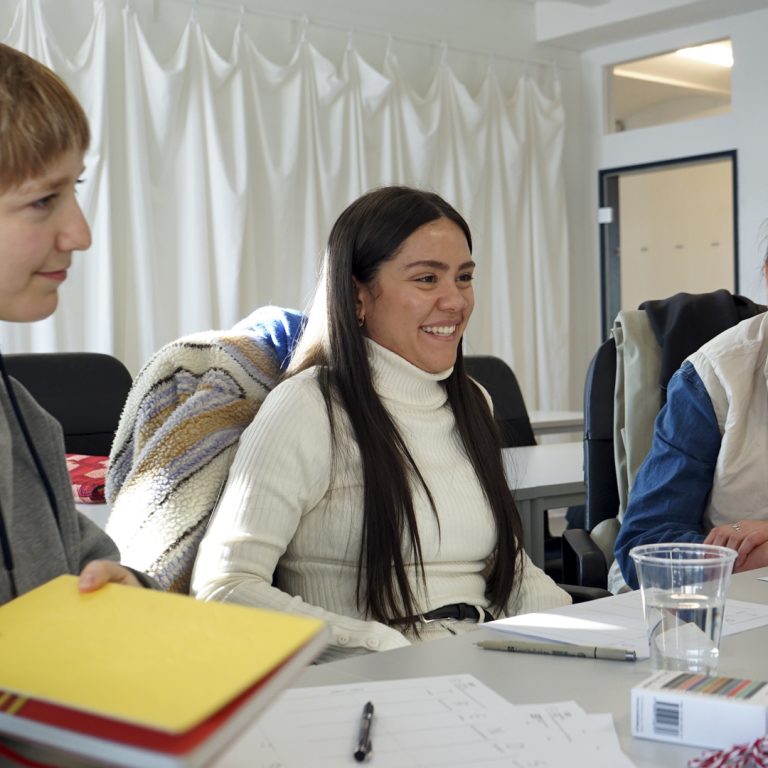
The programme officially kicked off with “CREA-UP Journey,” presented by Tânia Santos and Inês Flórido from CRU Creative Hub. They retraced the milestones of the project: from the immersive 10-day Working Lab in Berlin, to local workshops and mentoring sessions, the two-month co-creation phase and the final exhibition in Porto. Participants from the CREA-UP programme also shared personal testimonies, offering heartfelt perspectives on how the project influenced their practices, collaborations and ways of thinking.

The first panel, “Creativity, Upcycling and the Green Transition,” brought together Helena Antónia (Vintage for a Cause), João Pinto (Projeto EZ) and Sara Machado (Europa Criativa). Their conversation explored how sustainability is being woven into creative processes, how art can drive social change without becoming merely instrumental, and how European cultural policy is increasingly embedding ecological criteria.

In the next session, “From Local to Global: How to Nurture Creative Communities of Circularity,” Irena Übler (PRIMA Matters), Regina Pinheiro and Pedro Cerveira from Porto City Council discussed the importance of local structures in fostering circular practices. They shared insights on conscious commerce, the creation of ecosystems of sharing and reuse, and how municipal strategies can empower small businesses and creators to innovate sustainably.

One of the conference’s most meaningful moments was the presentation of Porto’s Climate Pact by Vice-President Filipe Araújo. This moment marked the formal accession of CRU Creative Hub and Associação Quarteirão Criativo to the Pact — a concrete commitment to carbon neutrality and regenerative practices. It was also an open invitation to the entire creative community to join this collective effort, reinforcing the message that climate action needs the engagement of all sectors, including culture.

The day closed with a cocktail and social gathering, where participants, speakers and guests celebrated the journeys made together, the friendships formed and the ideas sparked along the way.

This conference wasn’t just a formal conclusion of CREA-UP in Portugal. It was a vivid reminder of what’s possible when creativity, collaboration and ecological consciousness come together. It affirmed the power of upcycling and sustainable design not only to transform materials but to transform mindsets, economies and communities.
As the project formally closes, the resources it leaves behind – from the Sustainability Guides to the digital publication documenting all the artists, processes and works – ensure that its impact will continue to ripple out, inspiring more conscious, beautiful and connected futures.

Read more about CREA-UP!

BowerBird : final exhibition in Porto, Portugal


From June 14 to 20, the Galeria Bombarda Showcase at CCBombarda in Porto hosted Bowerbird, the culminating exhibition of the CREA-UP project in Portugal. This final chapter of CREA-UP – Creative Upcycling for Sustainable Art & Design – brought together 28 artists, designers, and makers who, over two months, immersed themselves in collaborative processes that explored the creative power of waste, reuse, and circular design.

Like the bird that inspired its name — which carefully collects and arranges discarded items to build intricate nests — Bowerbird celebrated how overlooked materials can be transformed into new narratives, new forms, and new futures. The exhibition was a living manifesto: proof that sustainability is not only about conserving resources, but also about cultivating relationships with materials, processes, and communities.

The projects that filled the nest:

“INÊS DE CASTRO | SÃO FLORES | TEMOS PENA | VALHA-ME DEUS” by Ana Catarina Antunes, Ana Margarida Amaral, and Eliézer Nascimento, united industrial offcuts of wood, surfboard resin, and shards of porcelain into four sculptural pieces that proposed unexpected dialogues. These works questioned how distant, incongruent materials – and by extension, ideas – might come together in empathy, respect, and beauty.

“DAS TRIPAS CORAÇÃO”, by Eliézer Nascimento, reimagined Portugal’s rich ceramic tradition through plates crafted from fine porcelain and vintage decals. By fusing past and present, industrial surplus and meticulous handwork, each piece became a quiet statement on slowness, care, and the poetic potential of what industry leaves behind.

In INDELÉVEL“, Ana Margarida Amaral salvaged a wood slab once destined to be a school bench – forgotten in a basement since 1984 – and revealed its wormholes and growth rings as a landscape of memory. The piece was shaped, planed, and respected for its imperfections, becoming both a technical and deeply personal journey.

Asset 1@300x-8

2NDLIFERESIN, a project by Ana Catarina Antunes, transformed resin waste from surfboard production into functional objects that honor the ocean, nature, and the second life of discarded materials. With a minimalist yet organic aesthetic, these pieces made visible the ethics and transparency behind sustainable design.

Sérgio aka Cachibache, with Carolina Caldas, Cláudia Costa, and Juliana Peixoto, led “MÉTODO PARA COMPORTAMENTO”,a kinetic sound sculpture made from dismantled cameras and obsolete video heads. Controlled by a microcontroller that activated light and vibration, this eerie, poetic machine invited us to listen to what old technologies still have to say.

In “MINERAÇÃO URBANA”, Mayra Deberg, Diogo Rodrigues, Paulo Rodrigues, Laura Oliveira, and Mafalda Fernandes explored the city as a mine for value – reclaiming construction debris, wood, metal, and even human hair to craft terrazzo furniture, translucent biomaterials, and stone-textured hybrids. Each piece carried the name of the street where its materials were found, tying design directly to territory and story.

The collective installation “ONDE SOMOS”, by Matilde Rodrigues, Mariana Araújo, Marta Cortesão, Mafalda Fernandes, and Luca, built a symbolic house from found wood, paper, and cotton. This work became a metaphorical dwelling, reflecting on identity, belonging, and how we construct ourselves with and through others.

The ephemeral fashion collaboration METAMORPHOSIS: AN EPHEMERAL FASHION COLLECTIVE by Specimen Studio (Camille Moço), Bold Nature Design (Lara Capelas), and Sensihemp (Marta Vinhas) combined deadstock lace, reclaimed yarns, and hemp offcuts into a modular garment. This piece could be rearranged and reused, accompanied by digital stories accessible via QR code, inviting viewers to see fashion as a living, evolving ecosystem.

In “REFORMAR A FORMA”, Lígia Soromenho transformed what would typically be backstage — molds and surplus from prototype construction — into sculptural protagonists, questioning the borders between disposable and permanent, the original and the derivative.

Marina Costa’s “LADY LAZARUS”, born from scraps of window hardware and leather belts gathered during the CREA-UP Working Lab in Berlin, reconfigured these cast-offs into jewellery and wall sculptures. Her work evoked cycles of decay and rebirth, urging a reconsideration of beauty, value, and environmental responsibility.

Finally, “A VÁRIAS MÃOS” brought together Marina Costa, Lígia Soromenho, Ella Línner, and Mona Sheikh in a layered process: Ella etched a star into discarded resin, Mona split the piece to create new paths, and Marina reassembled it, turning separate gestures into a unified sculpture. This was CREA-UP distilled — many hands, many stories, woven into something larger.

A collective statement for circular, conscious futures

Throughout the week, Bowerbird was more than an exhibition: it was a space of encounter, conversation, and shared imagination. It showed that upcycling is not merely an environmental tactic – it’s a relational, cultural, and artistic practice that asks us to care differently.

Bowerbird stood as proof that creativity, when rooted in responsibility and community, can transform not only materials, but also mindsets. It invited everyone who stepped through the doors to see that what is left behind is not the end of the story — it’s the beginning of countless new ones.

Read more about CREA-UP!

Photographing with Purpose: A Flash Workshop with Rossana Mendes Fonseca

As part of the co-creation phase of the CREA-UP project in Portugal, CRU Creative Hub hosted a special flash workshop led by Rossana Mendes Fonseca, visual artist, curator and researcher. Titled “Photographing with Purpose,” the session invited participants to dive deeper into how images can be used not just to document creative work, but to extend its identity and spark more meaningful conversations — especially around themes of sustainability, upcycling and conscious design.

Held at CRU’s inspiring space in Porto, the workshop brought together artists, designers and makers who have been developing upcycling-focused projects through CREA-UP. With many of them preparing for the final exhibition, this was a timely opportunity to think critically about how their projects would be represented, communicated and perceived.

Beyond Technical Skills: Photographing Ideas, Processes and Values

Rossana’s approach was anything but conventional. Drawing on her extensive practice at the intersection of visual art, critical theory and curation, she framed photography not only as a tool for aesthetics, but as a medium for storytelling and positioning.

Participants explored:

  • The narrative power of images: How can a photograph capture not just a finished object, but also the journey behind it? How can it reveal choices around material sourcing, manual processes, and the values embedded in sustainable or circular practices?

  • Practical considerations for product and project photography: From lighting and composition to texture and scale, Rossana shared insights into how to make each image intentional and impactful — balancing clarity with emotion.

  • Visual identity and alignment: Especially in the context of upcycling and ecological design, how can creators ensure their photos resonate with their ethical and aesthetic commitments? What kind of visual language best serves their message?

Creating New Ways of Seeing

The session also included hands-on experiments where participants tested out new ways of framing, staging and interpreting their own pieces. For many, it was a moment to pause and look again at their work, not only through the camera lens, but through the lens of narrative, relationship and responsibility.

Discussions ranged from the politics of representation in sustainable design to how photography can be used to challenge consumer habits and invite audiences into deeper reflections about production and waste.

This workshop turned out to be far more than a technical boost; it was an invitation for each participant to approach their work with greater intention and poetic vision, challenging them to think deeply about how they present and share their creations with the world. It beautifully echoed the core values of the CREA-UP project — reimagining, reusing and reinventing artistic practice within a framework of ecological and social responsibility.

As their projects edged closer to being unveiled to the public in the BOWERBIRD exhibition at Bombarda Showcase, many participants left the session with renewed confidence and a clearer sense of how to visually communicate the processes, principles and personal stories that make their work distinctive.

We are profoundly grateful to Rossana Mendes Fonseca for her generosity, sharp insight and thought-provoking questions that pushed us all to reconsider how we see, frame and narrate what we create. And a heartfelt thank you to every participant for bringing such openness and curiosity to this journey. Together, we’ve shown that creativity, when guided by care and intention, can become one of the most powerful tools we have for shaping more conscious, connected and inspiring futures.

Read more about CREA-UP!

Exploring Bombarda: A Walk Through Creative Sustainability


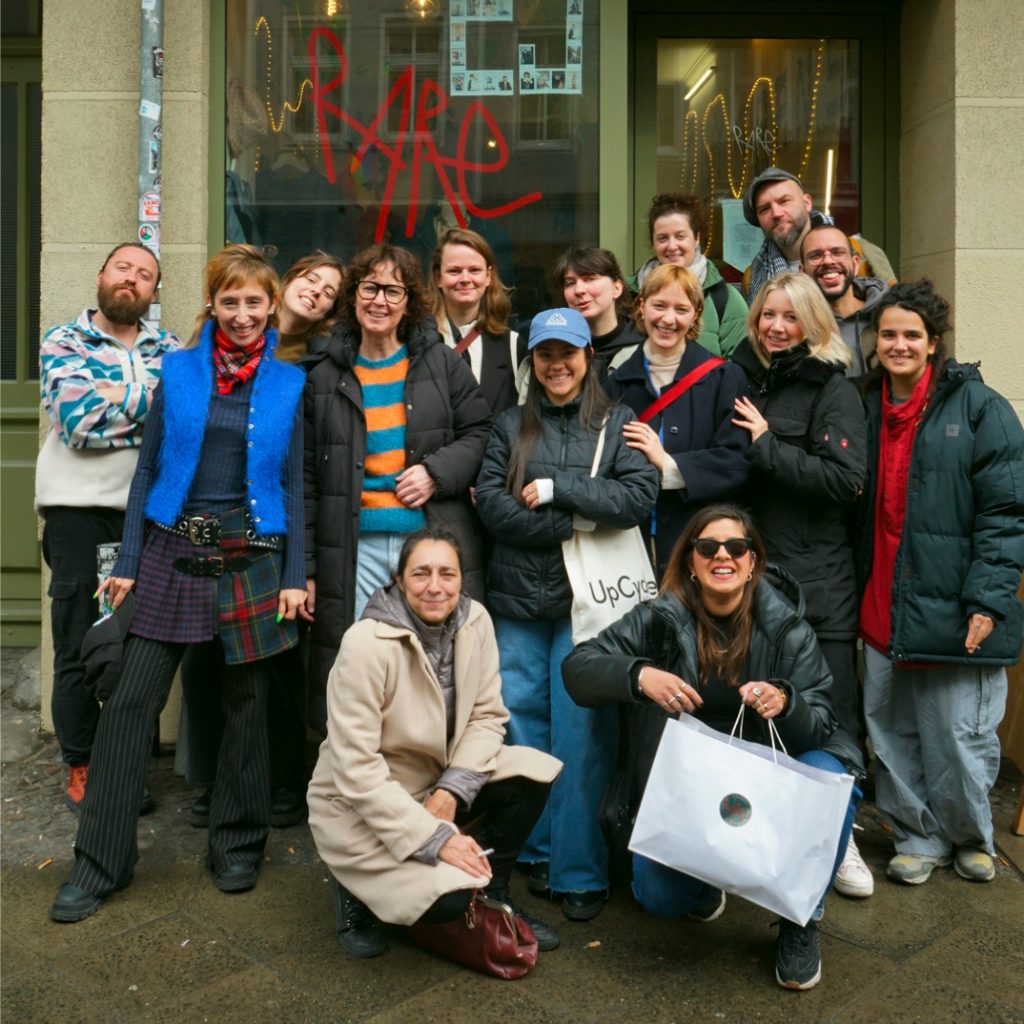
As part of the co-creation phase in Portugal, Exploring Bombarda invited CREA-UP participants to step outside the studio and into the streets of Bombarda, Porto’s iconic creative quarter.

Organized by CRU Creative Hub, the session was designed to immerse the participants in real-life practices of sustainable design, upcycling, and ethical curation.

Through a walking tour and a series of conversations, the group got to meet local entrepreneurs, explore creative reuse in action, and reflect on the intersection between art, commerce, and conscious consumption.

Home to CRU and a variety of design studios, galleries, and independent shops, Bombarda is a living example of how sustainability and creativity can coexist in commercial spaces.

From reclaimed materials to ethical sourcing, from small-scale production to bold conceptual design, Bombarda is where aesthetics meet ethics. And for CREA-UP – a project anchored in upcycling and co-creation – it was the perfect space to explore how these values are practiced beyond the workshop.

Over the course of the afternoon, participants visited three curated stops — each offering a distinct vision of sustainable design:

Loja Loja (@lojaloja.pt)

Founded by Susana Beirão, Loja Loja is a design store that blends Portuguese identity with a sharp curatorial eye and a commitment to responsible production.

From fashion to home objects, each piece tells a story of authorship, quality, and ecological awareness. The team shared insights about how to curate sustainably, how to balance aesthetics and ethics, and what it means to design for longevity.

L de Luz (@l.de.luz)

A poetic micro-universe created by Ana Losa, L de Luz is a lighting studio and boutique filled with lamps and objects made from reclaimed and repurposed materials.

From scrap metals to forgotten glass pieces, Ana transforms everyday waste into pieces of intimacy and atmosphere. Participants were especially inspired by her intuitive process and emotional connection to materials.

CRU Loja (@cru_loja)

More than a shop, CRU Loja is a collaborative platform that brings together dozens of independent Portuguese brands under a shared ethos: sustainable, small-scale, and handmade.

Curated by Virgínia França, the shop gave participants a window into micro-economies of creative production, where transparency and care are central to every decision, from materials to pricing, from packaging to storytelling.

Exploring Bombarda offered more than inspiration – it revealed how values like sustainability, collaboration, and care can be seen, felt, and practised through design.

Participants gained insights into how ethical practices are communicated in real spaces, the importance of authentic storytelling, and the value of working within local creative communities.We’re grateful to the shops and makers who welcomed us so generously. Your work reminded us that sustainability is not only about materials, but about relationships, choices, and intention.

As the co-creation phase progressed, this experience helped participants refine their projects, shaping not only what they made, but how they made it. Bombarda showed us that creativity with purpose is already alive in our cities – we have to walk, listen, and learn.

Read more about CREA-UP!

CREA-UP brings the creative community together around sustainability and upcycling in Porto


On the afternoon of Thursday, April 17, the Porto Innovation Hub was filled with creative energy and critical thinking during the Meetup: CREA-UP — Ecosystems for Sustainability & Upcycling in the Creative Industries.

This was the first in a series of thematic gatherings promoted by the European project CREA-UP, co-funded by the Creative Europe Programme, aimed at supporting artists, designers, and creative entrepreneurs in adopting more sustainable practices aligned with the principles of the circular economy.
Organised by CRU Creative Hub, the event’s main goal was to foster dialogue among diverse creative sector actors – from hubs and initiatives to independent artists – around the challenges and opportunities of sustainability in the artistic, cultural, and design contexts.
 

Innovation and creativity ecosystems: Mouraria and Loulé in the spotlight

The meetup saw an excellent turnout, bringing together participants from various fields—design, visual arts, architecture, cultural production, education, and creative entrepreneurship—in an informal yet deeply enriching atmosphere. The presentations highlighted two leading national creative hubs, both with exemplary practices at the intersection of creativity and sustainability.

The first presentation was given by Rosário Pedrosa, who introduced the work of the Centro de Inovação da Mouraria (CIM), a project by the Lisbon City Council focused on empowering and incubating creative projects with social impact.

DSC_0260

More than just a co-working space, the Mouraria Creative Hub is a true ecosystem for innovation, collaboration, and growth for Lisbon’s creative minds. Located in one of the city’s most authentic and multicultural neighbourhoods, CIM blends tradition with modernity, offering a fertile environment for developing sustainable and transformative ideas.

With capacity for over 30 fixed workstations spread across six spacious and well-equipped rooms, the hub also features a meeting room, multipurpose space, kitchenette, and a tranquil garden. It is designed to inspire and empower the next generation of creatives, supported by a network of experienced mentors in both creative and business sectors.

CIM’s dynamic programme is focused on the sustainable growth of its residents, offering masterclasses, hands-on workshops, and business tools. Moreover, the hub maintains strong ties with the local community, promoting events and initiatives with nearby partners, reinforcing its positive social impact and commitment to a more inclusive creative ecosystem.

Next, André Trindade, a resident at CIM, presented his project “By The End of May”, a collaborative practice that explores end-of-life materials, combining art, design, and sustainability in a provocative and poetic way.

Founded by André Trindade and Davide Onestini, the project arises from the urgent need to rethink how we produce and relate to objects and materials. In a time when we can open-source not only code but also material recipes and product designs, the collective poses crucial questions: How can we reshape the way we make things? What would urban production look like if we created everything locally using only the resources available within our cities?

By The End of May suggests a sensitive, almost meditative approach to design and making—one centred on care, humility, and environmental awareness, in stark contrast to a culture driven by overconsumption, dependency, and disposability.

In the second part of the session, Margarida Valente, an artist-in-residence at the Loulé Design Lab, presented the project she is currently developing: “Movimento Infinity”. Rooted in the convergence of design, contemporary crafts, and regenerative practices, the project values material reuse and local production. It sparked rich conversations around the role of design as a tool for systemic change and community activation.

Margarida’s presentation also shed light on the Loulé Design Lab, an initiative of the Loulé Criativo programme by the Loulé City Council. Located in the historic Palácio Gama Lobo, this creative lab is a space dedicated to exploring design as a driver of social, cultural, and environmental innovation, with deep ties to local heritage and knowledge. In addition to offering co-working spaces, shared workshops, and showrooms, Loulé Design Lab nurtures an active creative community, supporting project development through artistic residencies, applied research, skill-building programmes, and a strong partner network.

With an approach that bridges tradition and contemporary practice, the lab positions itself as a platform for experimentation, learning, and exchange—where design plays a key role in territorial development and the promotion of sustainable solutions. Through workshops, conferences, exhibitions, and networking events, Loulé Design Lab encourages cross-disciplinary, intergenerational, and intercultural connections that contribute to a local and global systemic shift.

A space for exchange and collaboration

More than just a showcase, the meetup stood out for its atmosphere of active listening, empathy, and collaboration. The informal format encouraged the exchange of experiences, ideas, and best practices among attendees—many of whom left visibly inspired and motivated to integrate more sustainable elements into their own work.The event concluded with an informal networking moment, where conversations sparked during the presentations continued naturally, helping to build bridges between projects from different regions and plant the seeds for future collaborations.

The enthusiasm was tangible, and the feedback collected at the end was overwhelmingly positive. Participants highlighted the relevance of the theme, the quality of the projects presented, and the importance of creating more moments like this for dialogue and shared learning.

This initiative marked a highly promising step in strengthening the creative community around sustainability. By creating a meeting point for local and national initiatives, the project reaffirmed its commitment to the ecological transition of the creative sector, valuing regenerative practices, knowledge sharing, and cross-territorial collaboration.

With more events planned in the coming months, CREA-UP continues to build bridges and give visibility to those reimagining the way we create, produce, and impact the world—through ethics, purpose, and creativity.

This initiative has the support of Porto Innovation Hub, Centro de Inovação da Mouraria and Loulé Design Lab.

The meetup is part of the World Creativity and Innovation Week (WCIW) agenda, which underlines the importance of adopting new ways of thinking and acting, promoting a dignified life for all in harmony with a sustainable planet.

This initiative complements the capacity-building objectives in the area of sustainability, carbon neutrality and the circular economy of the Bombarda Digital project – a project funded by the PRR #ConstruiroFuturo, led by the Municipality of Porto, in partnership with Porto Digital, Associação Quarteirão Criativo and AHRESP.

Join the CREA-UP community and be part of a transformative journey where creativity meets sustainability, redefining the future of design and art!

P9

Launching the Second Phase in Portugal with a Dynamic 2-Day Workshop in Porto

P9

The CREA-UP Project began its second phase in Portugal with a vibrant and engaging two-day workshop held in Porto, Portugal, on April 2nd and 3rd, 2025.

Hosted at iconic locations such as UPTEC Baixa and VIVA Lab, the event brought together creative minds, industry professionals, and sustainability enthusiasts to further the mission of fostering innovation in cultural and creative industries.

The workshop started on April 2nd at UPTEC Baixa, a hub for creative industries, where participants were warmly welcomed over coffee. Following the check-in, João Afonso, Head of Business Development for the Arts at UPTEC, delivered an insightful presentation introducing UPTEC’s role in bridging academia and the business community through innovation and collaboration.This day was particularly significant as it marked the first time the seven project leaders met the rest of their team members.

This initial meeting provided an essential opportunity to align visions, discuss roles, and start working collaboratively toward their shared goals.

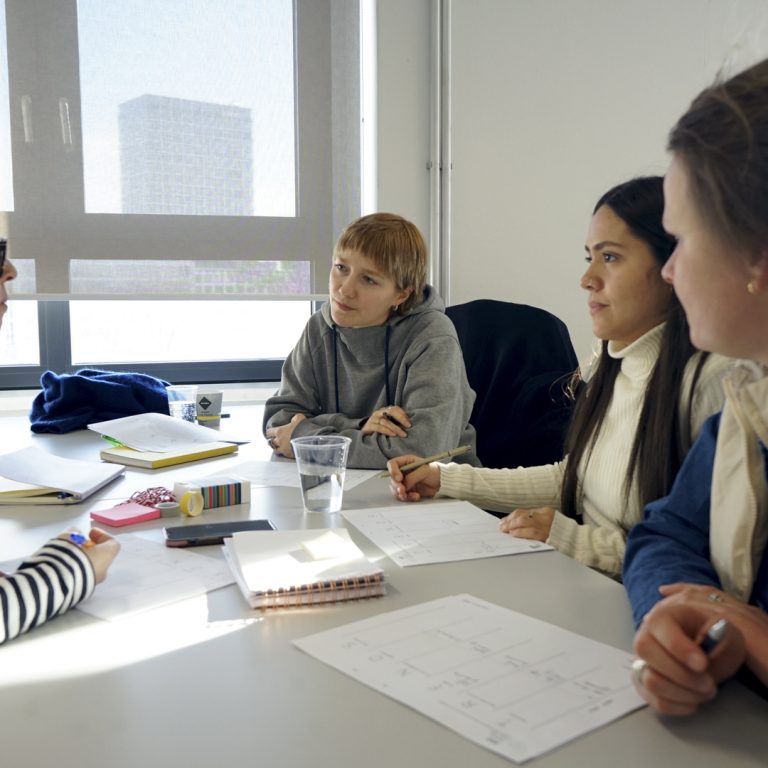
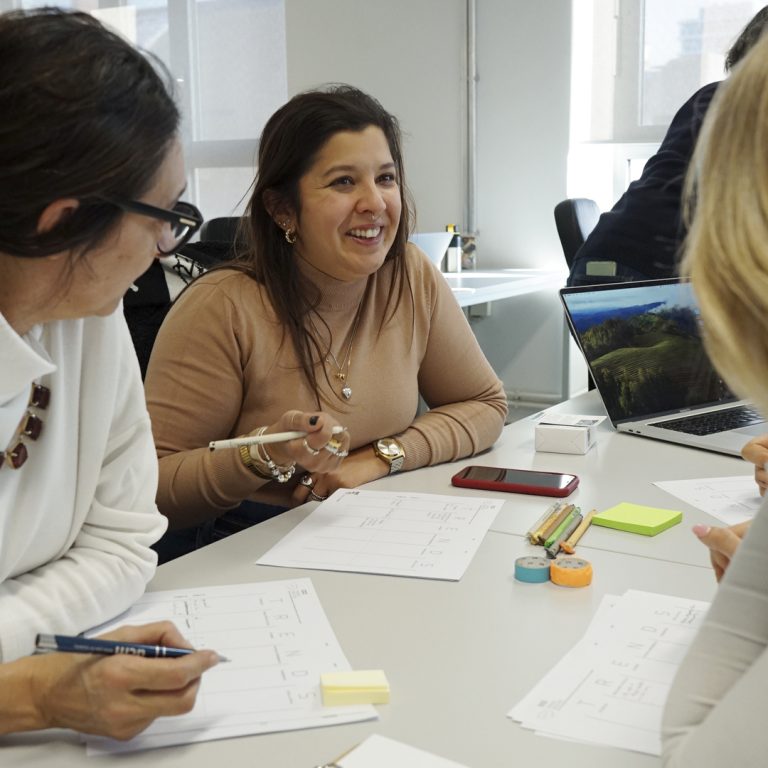
Tânia Santos, the director and co-founder of CRU Creative Hub, followed with a comprehensive overview of the CREA-UP framework and its activities in Porto. With her background in psychology and innovation management, Tânia’s insights emphasized the project’s alignment with strengthening the creative ecosystem.The day’s core activities included presentations of ongoing projects and the formation of collaborative teams. During the afternoon, these teams engaged in group work sessions focused on project development.

The day concluded with a sharing session where participants posed questions and exchanged ideas, fostering a dynamic environment of mutual learning and inspiration.

The second day shifted to VIVA Lab, one of Porto’s leading Fab Labs. The session began with an introduction to the lab’s philosophy and its application of open design principles in sustainability. Co-founder and researcher João Leão showcased VIVA Lab’s initiatives, such as the Precious Plastic project, which highlights the circular economy by transforming waste into valuable resources.

Participants were treated to a guided tour of VIVA Lab’s facilities and projects. The afternoon featured a hands-on prototyping workshop, allowing attendees to explore creative ideation processes and develop tangible prototypes that integrated sustainability and innovation.

The day concluded with a thought-provoking meetup at CRU Creative Hub. Arianna Moroder, co-founder of Lottozero, an international centre for textile design and innovation, presented a compelling case study on upcycling in fashion. Her insights into Lottozero’s integration of traditional textile techniques with modern sustainable practices resonated deeply with the audience.

The evening wrapped up with an informal socializing session, creating opportunities for deeper connections and collaborations among attendees.

This workshop not only set the stage for the second phase of the CREA-UP Project but also strengthened its commitment to fostering creativity, sustainability, and collaboration. By combining theoretical knowledge with practical engagement, the event empowered participants to contribute meaningfully to the evolving creative ecosystem.

As the project advances, its collaborative network and innovative practices promise to inspire transformative changes within the cultural and creative industries. This workshop exemplified the potential of bringing together diverse talents to tackle challenges and explore opportunities, reaffirming the significance of creativity as a driver of societal and economic growth.

exhb br

Exhibition in Brussels: Creativity and Circular Design on Display

Exhibition in Brussels: Creativity and Circular Design on Display

Showcasing Creative Sustainability

In September 2025, the European Development Institute presented the Belgian edition of the CREA-UP Exhibition in Brussels. Over three days, the event featured a range of design objects, prototypes, and artistic works developed through the national Co-Creation process and earlier project phases.

The exhibition highlighted the role of creativity in addressing environmental challenges and encouraged visitors to rethink the value of materials and resources. Each project reflected the central idea of CREA-UP — that sustainability and artistic innovation can reinforce one another through collaboration and experimentation.

A Meeting Point for the Creative Community

The Brussels exhibition created a space where artists, designers, educators, and visitors could engage directly with the outcomes of the project. The displays combined technical exploration with conceptual reflection, illustrating how circular design principles can influence both creative processes and public awareness.

The event also helped to strengthen links within Belgium’s cultural and creative ecosystem, promoting dialogue between independent practitioners, institutions, and local initiatives focused on sustainable production.

Connecting with the European Network

This exhibition was one of several organised across the CREA-UP partnership countries, each contributing to a shared European perspective on creativity and sustainability. The Brussels edition added its local identity and experience to this wider narrative, reinforcing the collective ambition to embed circular thinking into artistic and design practices across Europe.

Through its collaborative approach and emphasis on practical innovation, the event reflected CREA-UP’s ongoing mission to support creative communities in building a more sustainable future for art and design.
exhibition gr

Presenting the Outcomes of Creative Collaboration | Exhibition in Berlin

Presenting the Outcomes of Creative Collaboration | Exhibition in Berlin

In June 2025, Green Muse e.V. hosted the German edition of the CREA-UP Exhibition in Berlin, presenting the results of the Working Lab and Co-Creation phases developed earlier in the year. The exhibition showcased a diverse range of creative works produced through upcycling and sustainable design processes, reflecting the project’s emphasis on circularity and innovation in the cultural and creative sectors.

The exhibition provided an opportunity for the public to engage directly with the ideas explored throughout the project. Visitors were introduced to design prototypes, artistic installations, and experimental materials that demonstrated how sustainability can inspire new creative expressions.

Connecting Practice and Awareness

The Berlin exhibition aimed to highlight the connection between practical experimentation and public awareness. Each display illustrated different approaches to rethinking material use and promoting local craftsmanship, inviting dialogue between creators and audiences.

The event also encouraged reflection on how creative practices can contribute to the environmental transition, not only through production but also by influencing perceptions and behaviours related to consumption and value.

As part of the wider CREA-UP exhibition series held across partner countries, the Berlin edition contributed to a collective European narrative on creativity and sustainability. Together, these exhibitions formed an integrated programme that celebrated cultural diversity while promoting shared ecological objectives.

The presentation in Berlin reaffirmed CREA-UP’s commitment to supporting creative communities, strengthening cross-border collaboration, and advancing sustainable design through artistic and educational exchange.


CREA UP wednesday-27

From Working Lab to Co-creation: the next phase of CREA-UP in Porto

CREA UP wednesday-27

After an inspiring 10-day Working Lab in Berlin, where participants from all over Europe explored upcycling techniques, sustainable business strategies and creative entrepreneurship, CREA-UP is now entering a new phase: Local Workshops and Co-Creation in the city of Porto, Portugal.

Co-creating a sustainable future through Upcycling

Running from April to June 2025, CREA-UP aims to merge creativity with sustainability, transforming discarded materials into new opportunities. This next phase will focus on co-creation, bringing together multidisciplinary teams to develop sustainable artistic and design projects.

A collaborative approach to Upcycling

The CREA-UP initiative promotes an environment in which designers, artists, creators and entrepreneurs collaborate on sustainable projects. The co-creation phase will begin with a workshop in Porto on April 2 and 3, to be held at UPTEC Baixa, VIVA LAB and CRU Creative Hub, followed by a two-month period in which seven selected projects will serve as the basis for creative development.

Featured projects and their team leaders

Lixo Sónico (Portugal) – Sérgio aka Cachibache

A project that transforms discarded technological waste into sound sculptures, combining digital and analog experimentation.

Metamorphosis – Ephemeral Collective (França & Portugal) – Camille Moço

Focused on sustainable fashion, this initiative recycles materials to create unique garments with activist messages.

corAÇÃO (Portugal) – Matilde Rodrigues

Encouraging a new perspective on waste, this project transforms discarded materials into creative opportunities through collective experimentation.

Sculpture & Repurposing (Portugal) – Catarina Glam

A collaborative sculpture project that uses recycled materials to create geometric works of art inspired by urban environments.

Mineração Urbana (Brazil & Portugal) – Mayra Deberg

Explore the reuse of construction and demolition waste (CDW) to develop innovative design materials.

Furniture and decor for the 21st century (Portugal) – Ana Amaral

Focusing on sustainable furniture design, this project reuses wood, textiles and ceramics to create unique pieces.

Lady Lazarus (Portugal) – Marina Costa

An upcycling and sustainable jewelry project that celebrates transformation, resilience and rebirth through artistic creation.

The journey of co-creation

Participants who apply now will have the unique opportunity to actively collaborate in the realization of these 7 ideas, transforming them into final pieces. This phase is dedicated to transforming concepts into reality, preparing participants for the final CREA-UP exhibitions, where the projects can be presented and marketed.

Who can join?

  • CREA-UP welcomes people who are passionate about sustainability and innovation, including:
  • Designers, artists and makers with a passion for sustainability and upcycling.
  • Entrepreneurs and creative professionals who apply circular economy principles.
  • Students, researchers or recent graduates interested in sustainability in design.
  • Anyone motivated by innovation, sustainability and collaborative creation.


Participation requires a commitment to the two-month co-creation phase, ensuring that each project is successfully developed and presented at the final exhibition.

One step towards a sustainable future

CREA-UP is more than a project; it’s a movement towards a sustainable and creative future. By integrating the principles of the circular economy with artistic expression, it offers a unique platform for transforming waste into valuable and meaningful creations.

Read more about CREA-UP!

CREA-UP Working Lab!

Where Ideas Met Impact: 10 Days of Creative Co-Learning

The CREA-UP Working Lab, held in Berlin, marked the launch of an ambitious  journey dedicated to creative upcycling, sustainability, and collaborative design.
Over the course of 10 immersive days, selected participants across Europe  gathered to explore how creativity can fuel ecological transformation and circular thinking in the arts and design sectors.

This first phase of CREA-UP was all about building the foundations: developing project ideas, exchanging perspectives, strengthening skills, and fostering the kind of cross-border connections that make co-creation not just possible, but powerful.

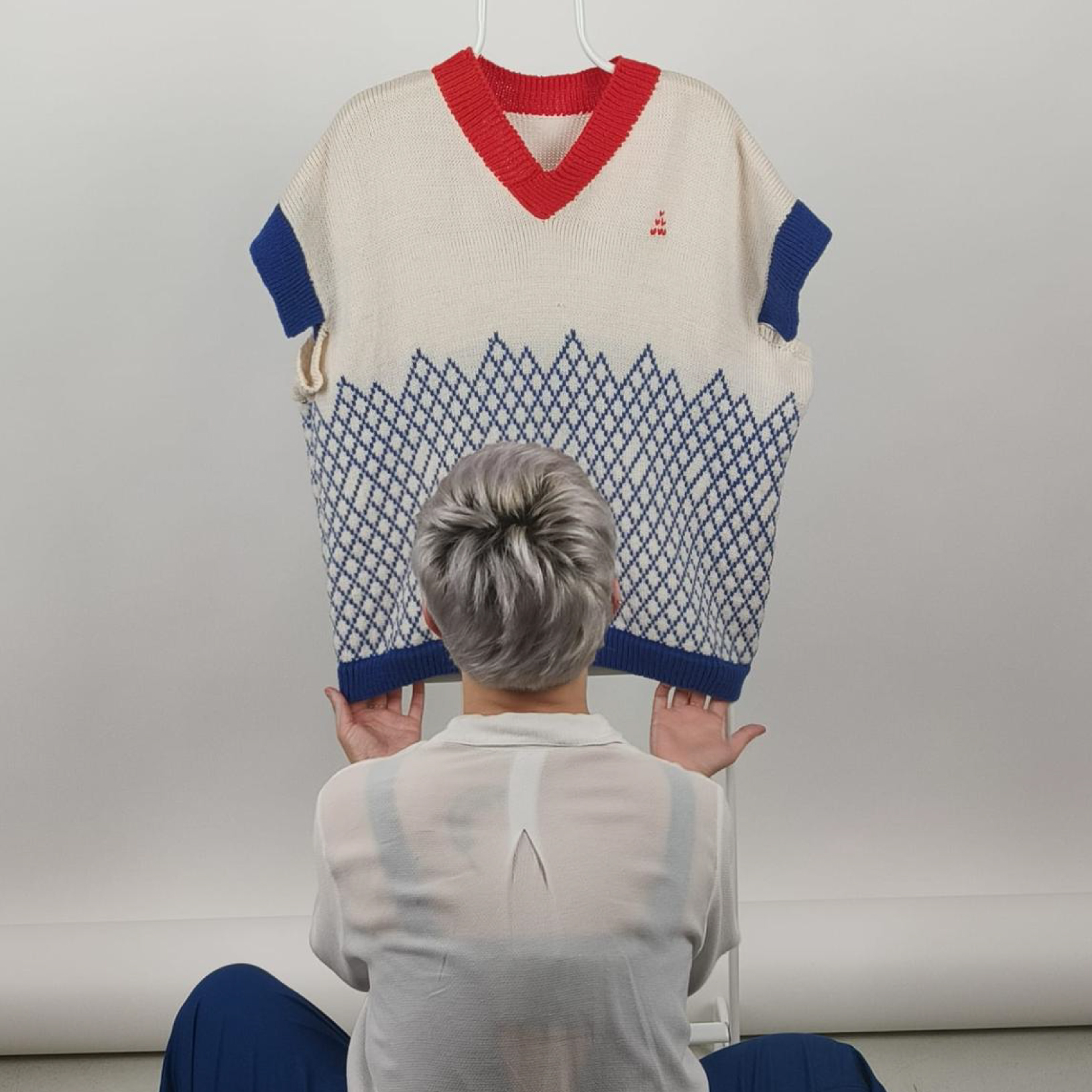
The Working Lab wasn’t just about talking — it was about doing. Ideas were tested, prototypes envisioned, and collaborations born. It gave participants the time and space to reflect, refine, and kickstart their own upcycling-focused projects, which will later unfold in the co-creation phase.It also laid the groundwork for what CREA-UP stands for:
  • Connecting creativity with circularity
  • Building a European network of change-driven makers
  • Turning waste into wonder — together.

What’s Next?

The concepts developed in Berlin have since evolved into seven co-creation projects, now being realized through workshops, mentorship, and exhibitions. The lessons from Berlin continue to ripple through the CREA-UP experience — proving that when the right people come together in the right space, real transformation begins.

Read more about CREA-UP!